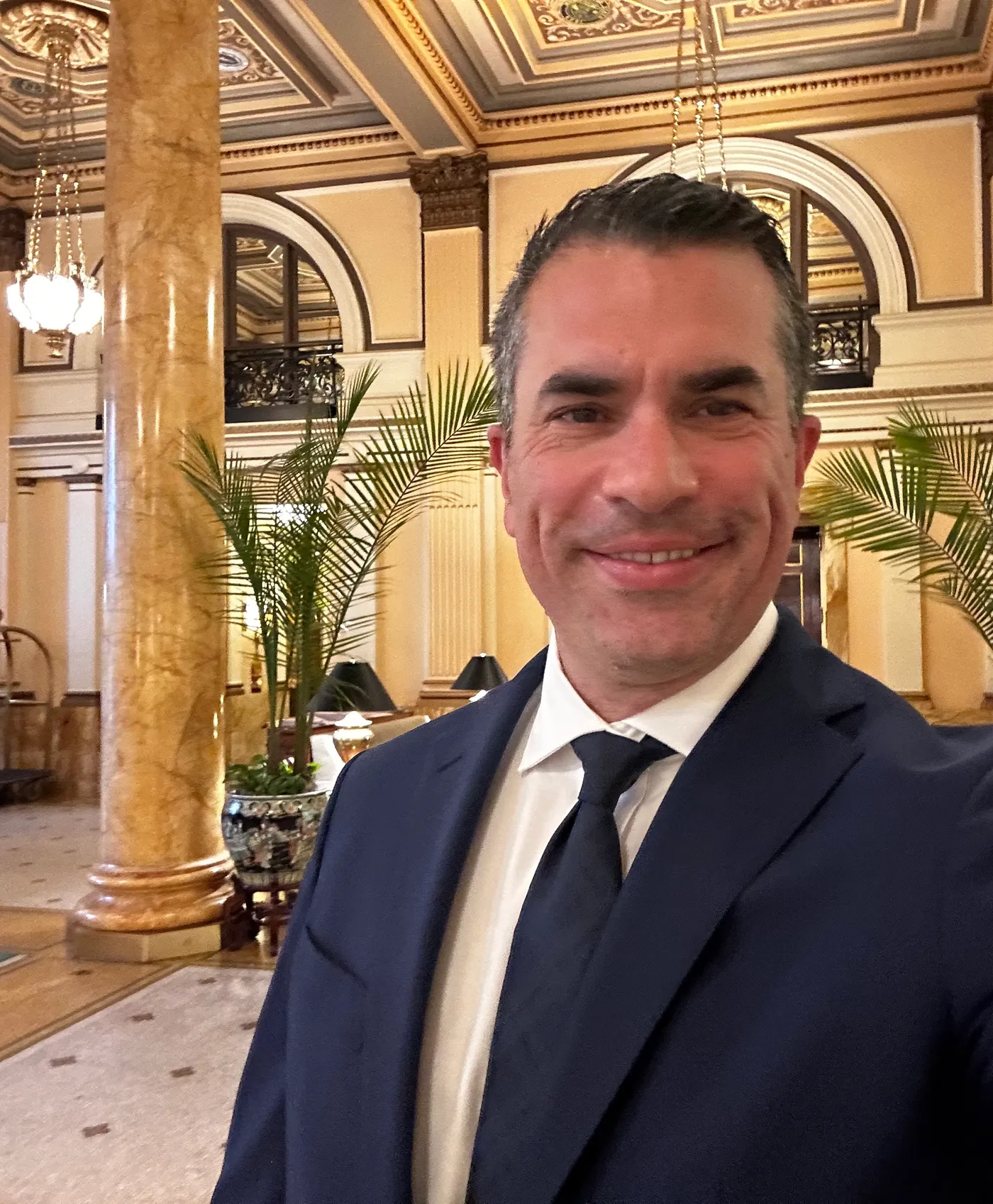
About John
From Diagnosis to Purpose.
John Zaya — Founder & President, Zaya’s Global Initiative (ZGI)

Zaya’s Global Initiative (ZGI)
Where Personal Experience Meets Global Purpose.
A Personal Experience. A Global Perspective. A Commitment to Connection.
In 2024, John was diagnosed with Stage III prostate cancer at age 45.
Following surgery and treatment, his experience as a patient introduced a new dimension to a career already deeply connected to healthcare, life sciences, medical technology, and scientific innovation.
As he engaged more closely with the oncology community, John became particularly interested in the experiences of people diagnosed with cancer during adolescence and young adulthood, including those navigating treatment, relationships, family responsibilities, careers, financial uncertainty, and survivorship.
His experience also reinforced the importance of listening to patients, recognizing the broader impact of a cancer diagnosis, and strengthening connections among the communities working to advance research and care.
Drawing upon his international professional background and growing relationships across oncology, research, healthcare, and patient advocacy, John founded Zaya’s Global Initiative (ZGI) in 2026.
In John’s words
The Founder’s Journey
In April 2024, at age 45, I was diagnosed with prostate cancer, subsequently determined to be Stage III.
Cancer was not something I expected to confront in my mid-forties.
My diagnosis came at a time when I was building my career, raising a young family, and planning for the decades ahead.
Instead, I found myself confronting difficult medical decisions, uncertainty about the future, and the lasting physical and psychological consequences of cancer.
My professional career had given me extensive exposure to healthcare, pharmaceuticals, medical technology, molecular diagnostics, and academic hospital systems.
Yet when I became the patient, I discovered how difficult navigating cancer care could be.
That experience changed my understanding of healthcare and ultimately inspired me to establish Zaya’s Global Initiative (ZGI)
The following chapters share the experiences, questions, and relationships that shaped this mission.
Chapter One
A Cancer Diagnosis in My Forties
In April 2024, at age 45, I received a diagnosis of prostate cancer.
The disease was subsequently determined to be Stage III.
Prostate cancer is most commonly diagnosed in older men, making a diagnosis in my mid-forties relatively uncommon.
Read the full chapterClose the chapter
In the years leading up to my prostate cancer diagnosis in 2024, I experienced periods of unexplained fatigue, nearly a year of persistent sleep disturbances, and other health challenges. Looking back, I have wondered whether some of those experiences might have been connected to my cancer.
These experiences reinforced my belief that every patient deserves to have their concerns heard, taken seriously, and appropriately evaluated when health concerns arise.
In September 2024, I underwent a radical prostatectomy at Massachusetts General Hospital.
Following surgery, my medical team discussed the possibility that microscopic cancer cells could have extended beyond the prostate before treatment.
That possibility did not establish that cancer had spread, but it introduced uncertainty about recurrence and the need for continued surveillance.
Every follow-up prostate-specific antigen (PSA) test is a reminder that cancer can remain part of life long after initial treatment has ended.
Today, at 47, I continue to live with the physical, psychological, and personal consequences of cancer while remaining committed to appropriate follow-up care.
My diagnosis in my forties exposed me to challenges also experienced by younger cancer patients, including uncertainty about the future, family responsibilities, career disruption, and long-term survivorship.
It encouraged me to learn more about the distinct needs of adolescents, young adults, and others confronting cancer earlier in life.
Chapter Two
Seeking Answers Through Precision Cancer Medicine
My cancer journey did not end with surgery.
I wanted to better understand the characteristics of my disease, the scientific advances shaping prostate cancer care, and the technologies that might influence future treatment decisions.
Read the full chapterClose the chapter
I pursued Decipher genomic testing, developed by Veracyte, which analyzes the expression of 22 genes in prostate tumor tissue to help estimate certain risks associated with disease progression.
I also became increasingly interested in molecular imaging, radiopharmaceutical therapies, and the expanding role of precision oncology.
In September 2026, I traveled to BAMF Health in Grand Rapids, Michigan, for a consultation at a comprehensive theranostics center integrating molecular imaging, targeted radiopharmaceutical therapies, radiopharmacy capabilities, and clinical research.
These technologies represent important areas of scientific development, although their suitability and availability depend on each patient’s diagnosis, clinical circumstances, and treatment setting.
For me, the experience raised questions extending beyond any individual technology.
How do patients learn about emerging treatment approaches?
How do they identify appropriate clinical trials or specialized centers?
How do they distinguish promising research from treatments that are established, available, and appropriate for their circumstances?
And how do patients without professional healthcare experience navigate these decisions?
These questions remain central to my advocacy.
Chapter Three
I Understood the Healthcare System. Navigating It Was Still Difficult.
My professional career has spanned international banking, global medical technology, pharmaceutical finance, clinical research, molecular diagnostics, and academic healthcare systems.
At Cardinal Health, I supported international medical technology commercialization across approximately 90 countries.
Read the full chapterClose the chapter
At Takeda, I worked in financial planning, analysis, and business partnering roles supporting U.S. Medical Affairs and related research and clinical operations.
I also served as Director of Finance for Enterprise Pathology at Mass General Brigham, contributing to the early implementation of a major clinical integration initiative.
Earlier in my career, as interim Chief Financial Officer of Parabase Genomics, I supported financing and laboratory development for a biotechnology company focused on genetic testing for infants with rare inherited diseases.
Parabase utilized Illumina DNA sequencing technology in its work to identify genetic variations associated with inherited disorders.
That experience provided an early perspective on genomic technologies that have since become increasingly important across modern medicine.
I have also spent much of my professional life in the Boston and Cambridge healthcare and biotechnology ecosystem, one of the world’s major centers for biomedical innovation.
Yet despite this background, navigating my own cancer care proved extraordinarily difficult.
That realization stayed with me.
If someone with experience across academic healthcare, biotechnology, molecular diagnostics, and global pharmaceuticals finds cancer care this challenging, what happens to patients without the same knowledge, professional relationships, financial resources, or access?
How do younger patients understand emerging treatments, identify relevant clinical trials, reach specialized centers, and make informed decisions?
Who helps ensure that their voices are represented?
And how can the global cancer community work together to make these pathways easier to understand?
These questions became central to my decision to establish Zaya’s Global Initiative.
Chapter Four
The Global Cancer Challenge
ASTRO 2026 · Boston · Cancer Research & Survivorship
In September 2026, I participated as a Cancer Patient Advocate at the Annual Meeting of the American Society for Radiation Oncology (ASTRO) in Boston.
ASTRO is the leading U.S. professional society for radiation oncology, and its Annual Meeting is one of the world’s major scientific gatherings in the field, bringing together clinicians, researchers, and healthcare professionals to share advances in cancer treatment, technology, and patient care.
Across scientific presentations, educational sessions, and clinical research discussions, I encountered remarkable advances in radiation oncology, precision cancer treatment, and multidisciplinary care.
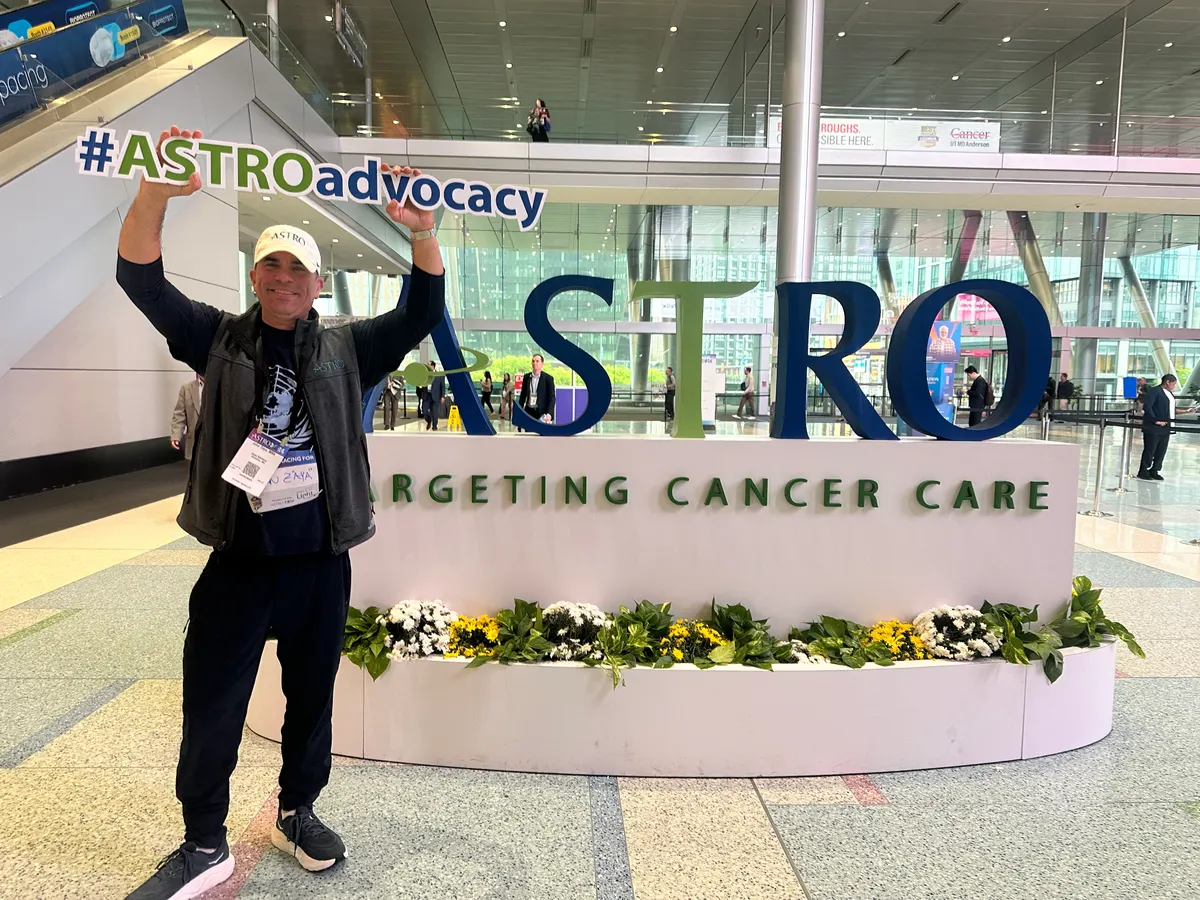
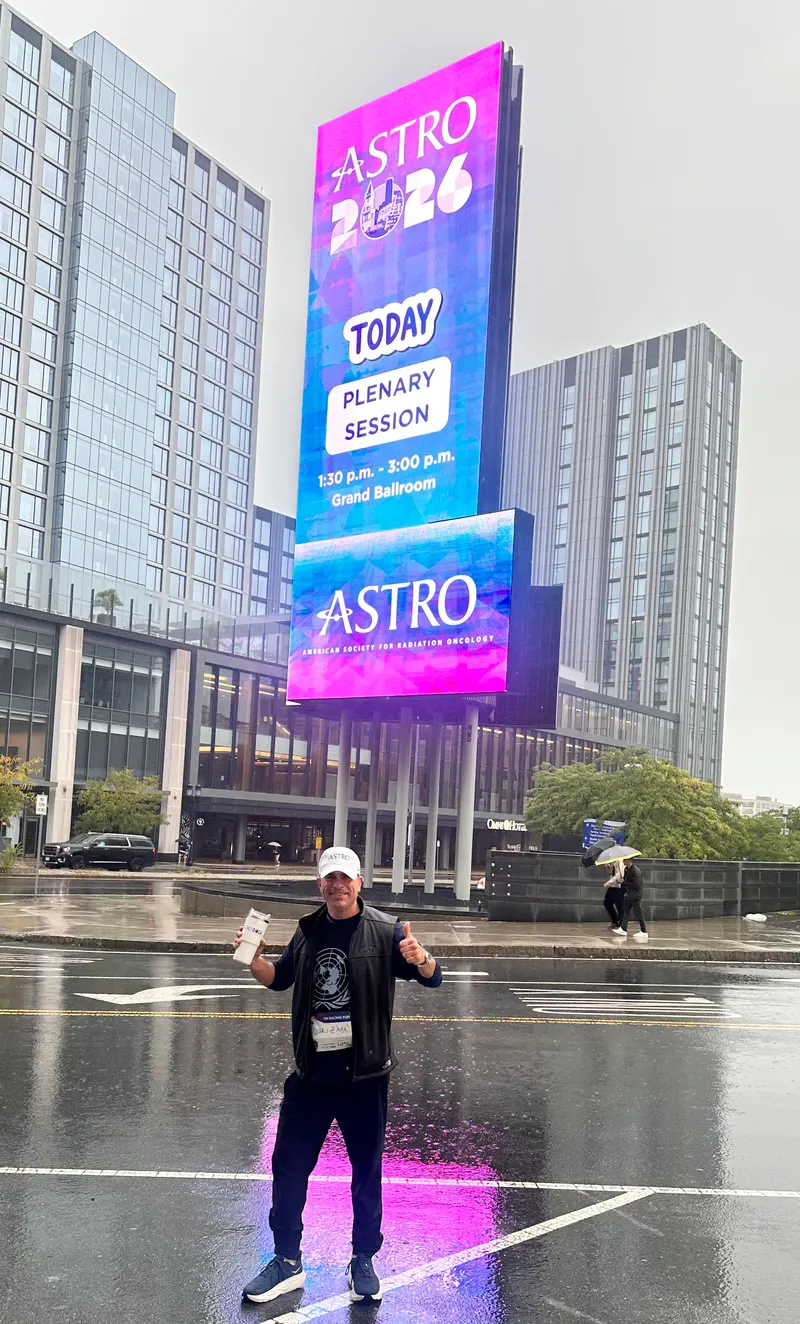
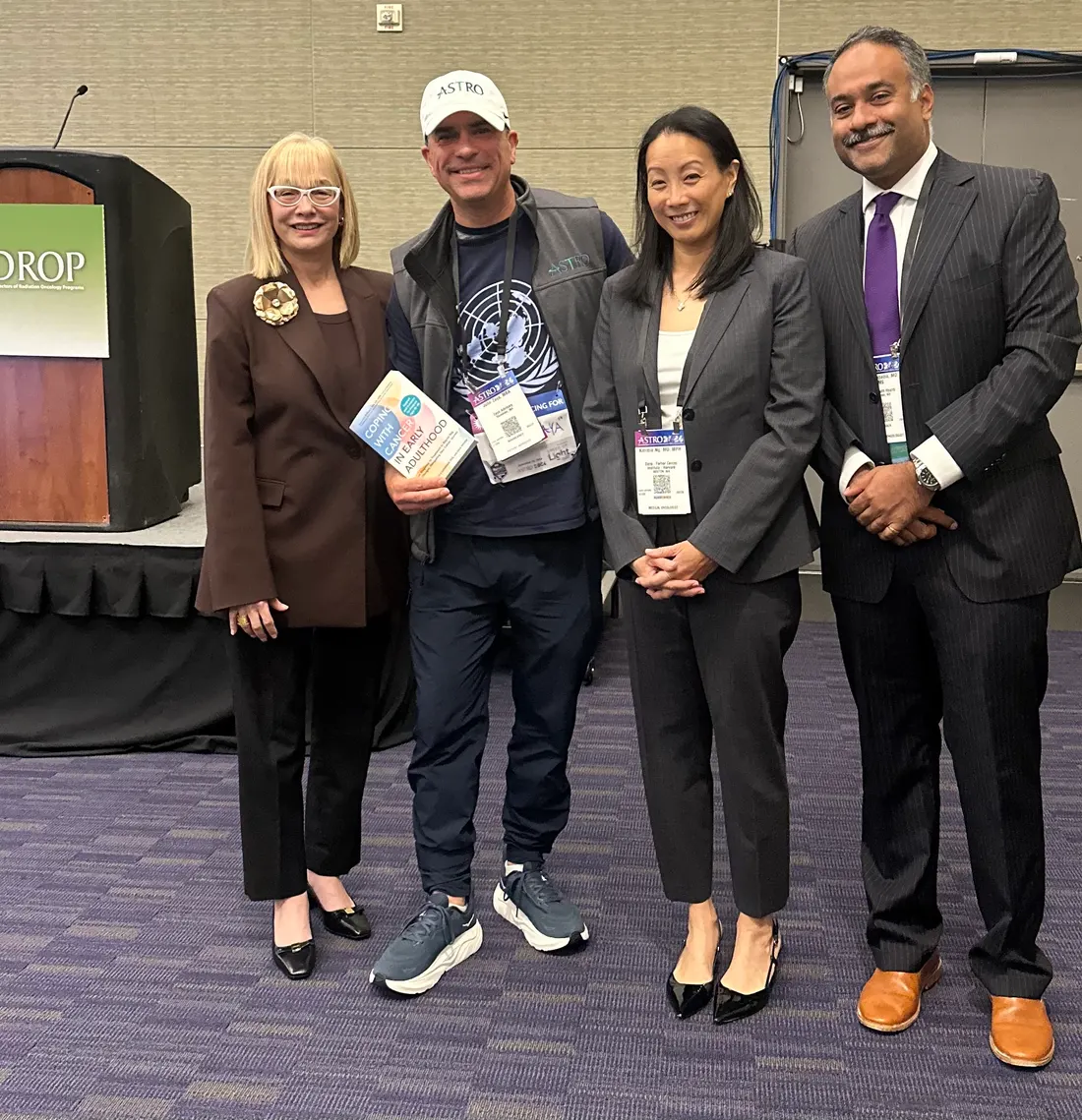
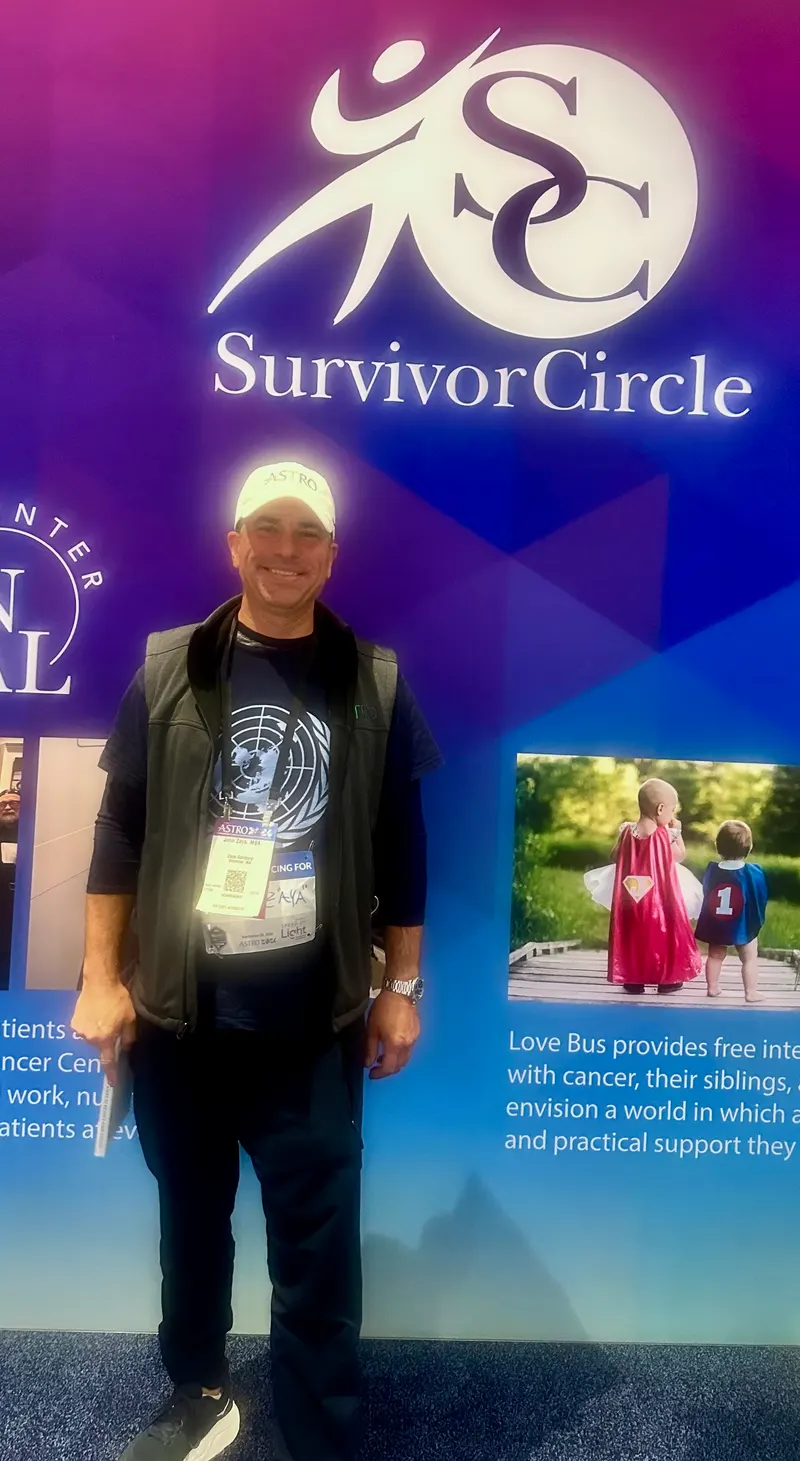
John Zaya at the ASTRO Annual Meeting, including the #ASTROadvocacy sign, conference activities, and Survivor Circle. Read the full chapterClose the chapter
I was particularly struck by the older patient populations represented in many prostate cancer studies I encountered, often involving patients with localized or earlier-stage disease.
At 47, having been diagnosed with Stage III prostate cancer, I wondered how well existing research reflected younger patients facing more advanced diagnoses.
One session left a particularly lasting impression:
“Gen X Cancers: The Rising Incidence and Challenges in Management for Patients Diagnosed with Cancer in Their 40s and 50s.”
Featuring specialists including Dr. Kimmie Ng and Dr. Cristina Pozo-Kaderman of Dana-Farber Cancer Institute, the session examined changing cancer patterns and the physical, psychological, social, and economic challenges associated with cancer diagnoses in midlife.
The discussions extended beyond treatment to careers, parenting, fertility, relationships, mental health, financial toxicity, and survivorship.
These were not abstract scientific questions. They reflected challenges I was confronting personally.
The session also reinforced opportunities for shared learning across AYA patients and adults diagnosed in their forties.
From Boston to Washington: A Growing Global Concern
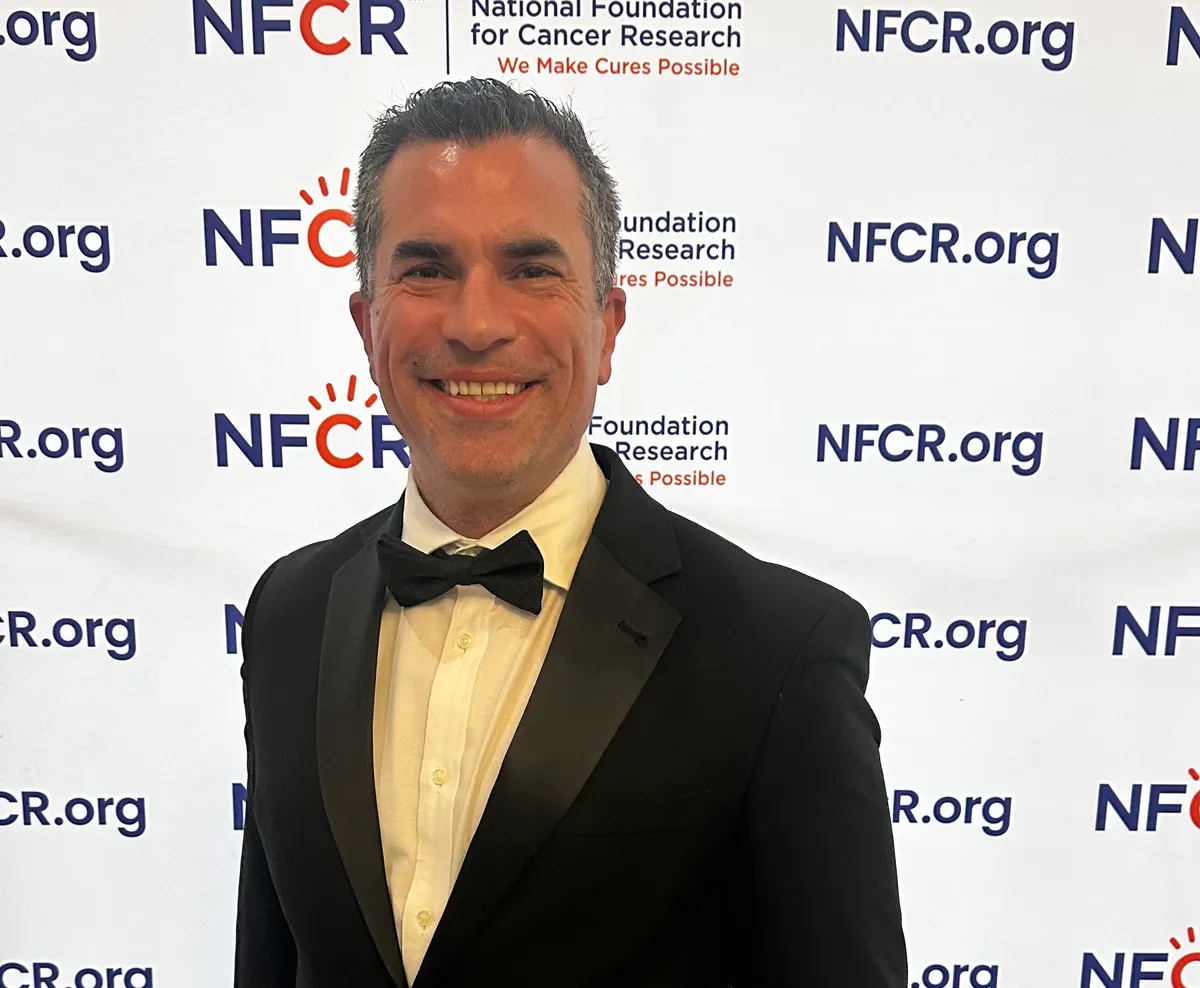
In October 2026, I attended the National Foundation for Cancer Research Global Summit & Awards in Washington, D.C., continuing my engagement with the cancer research and advocacy community.
These experiences strengthened my conviction that younger patients deserve meaningful participation in conversations about clinical research, healthcare policy, treatment access, and survivorship.
Research organizations, including World Cancer Research Fund International and the World Health Organization’s International Agency for Research on Cancer, have examined changing cancer incidence patterns among younger populations.
Evidence points to increases in certain cancer types and populations, although trends differ by cancer, age group, geography, and time period.
Colorectal cancer has received substantial attention, but the broader research questions extend to other cancers as well.
In the United States, the recommended starting age for average-risk colorectal cancer screening was lowered from 50 to 45, illustrating how evolving evidence can influence approaches to prevention and early detection.
These developments raise important questions.
Are screening guidelines and diagnostic pathways keeping pace with changing evidence?
Are younger patients adequately represented in relevant research?
Do healthcare systems recognize the distinctive social, psychological, and financial challenges of cancer earlier in life?
And how can knowledge and innovation reach patients across different communities and countries?
These are not simply oncology questions. They concern healthcare strategy, public policy, education, workforce participation, family well-being, financial stability, and health equity.
The global concern deserves attention—not to create fear, but to encourage informed awareness, stronger research, appropriate early recognition, and meaningful action.
Chapter Five
Beyond Treatment: The Lifelong Impact of Cancer
Cancer affects far more than the individual receiving treatment.
For adolescents and younger adults, a diagnosis may interrupt education, careers, relationships, family planning, financial independence, and expectations for the future.
The consequences also extend to partners, children, parents, caregivers, employers, and communities.
Read the full chapterClose the chapter
Survivorship must therefore encompass more than monitoring for recurrence.
It should recognize physical rehabilitation, psychological well-being, fertility and sexual health, family relationships, financial resilience, educational and employment needs, and long-term quality of life.
Exercise Oncology: An Important Part of Survivorship
Exercise oncology is an increasingly important field examining the role of physical activity and structured exercise in cancer care and recovery.
Clinical research, including the Phase III CHALLENGE trial in selected patients with colon cancer, has demonstrated meaningful benefits associated with structured exercise programs.
These findings add to a growing body of evidence supporting appropriately tailored physical activity as part of comprehensive cancer care.
Exercise recommendations must account for individual health, treatment status, and clinical guidance, and findings from one cancer population cannot automatically be applied to all patients.
For younger people who may face decades of life beyond diagnosis, attention to long-term physical function, rehabilitation, and quality of life is especially important.
ZGI seeks to encourage broader awareness of comprehensive survivorship and the importance of care that recognizes the whole person.
Chapter Six
From Community Service to a Global Mission
My commitment to community service began long before my cancer diagnosis.
Having served on the board of a community food pantry operating at approximately the $1 million scale, I witnessed how nonprofit organizations can bring people together, mobilize resources, and respond to unmet needs.
My cancer journey gave that commitment a new direction.
Read the full chapterClose the chapter
In October 2026, I established Zaya’s Global Initiative in Massachusetts to advance awareness, advocacy, connection, and international collaboration for adolescents and young adults affected by cancer, with a broader focus on younger adults through age 50.
The initiative recognizes that no single organization can address the full range of challenges facing younger cancer patients.
Progress requires contributions from patients, families, researchers, clinicians, policymakers, advocates, healthcare organizations, and communities.
ZGI does not claim to have all the answers or seek to duplicate the extraordinary work already underway.
Instead, our ambition is to connect people, strengthen awareness, amplify patient voices, encourage shared learning, and identify opportunities for meaningful collaboration.
Chapter Seven
Learning From an Extraordinary Global Cancer Community
Around the world, extraordinary people have dedicated their careers and lives to understanding cancer, improving outcomes, and developing new treatments.
They include oncologists, molecular biologists, geneticists, pathologists, radiation physicists, nuclear medicine specialists, radiopharmaceutical scientists, clinical investigators, nurses, psychologists, healthcare leaders, and patient advocates.
Read the full chapterClose the chapter
They work across academic hospitals, research institutes, universities, biotechnology companies, pharmaceutical organizations, nonprofits, and global health institutions.
Through ASTRO, the National Foundation for Cancer Research Global Summit, and other oncology engagements, I have begun building relationships within this remarkable community.
My experience has reinforced the value of listening to experts, understanding scientific evidence, recognizing the contributions of patients, and connecting people who share a commitment to progress.
I intend to spend the rest of my life following the science, learning from those advancing cancer research, and contributing wherever my professional background and perspective as a patient can be useful.
One global challenge. Many cancers. Every patient’s voice matters.
John’s Perspective
For My Son. For Every Future Worth Fighting For.
My greatest motivation is personal.
I have a three-year-old son. I want to grow old watching him grow up.
I want to be there for his milestones, share in his achievements, and experience the ordinary moments of fatherhood that cancer has taught me never to take for granted.
A cancer diagnosis changes how you think about time.
It changes how you understand uncertainty, health, family, and the future.
I cannot change my diagnosis or eliminate every uncertainty about what lies ahead.
But I can continue learning from the extraordinary people advancing cancer research, build meaningful relationships, and use my experience to help others along the way.
That is why I founded Zaya’s Global Initiative.
I cannot change my diagnosis. But I can give it purpose.
— John Zaya
Founder & President, Zaya’s Global Initiative
ESTRO & IPOS
Professional Memberships & Global Oncology Engagement

ESTRO Member — European Society for Radiotherapy and Oncology
A leading European professional society advancing radiation oncology, cancer research, treatment innovation, multidisciplinary collaboration, and professional education.

IPOS Member — International Psycho-Oncology Society
A global professional organization advancing psychosocial oncology, mental health, patient well-being, quality of life, and comprehensive cancer survivorship.
These individual professional memberships reflect Zaya’s Global Initiative’s commitment to advancing cancer patient advocacy, international research collaboration, multidisciplinary care, and comprehensive survivorship.
Both memberships are held by John Zaya individually. They are not organizational partnerships with, or endorsements by, either society.

Connect with Zaya’s Global Initiative
Every Connection Has the Potential to Make a Difference.
Progress begins with people willing to share ideas, experiences, expertise, and a commitment to improving the future.
Whether you are a patient advocate, researcher, clinician, nonprofit leader, healthcare professional, industry representative, or potential supporter, I welcome conversations about shared interests and opportunities for collaboration.
Zaya’s Global Initiative is at the beginning of its journey.
Our ambition is global. Our approach begins with listening, learning, and building meaningful relationships.
One global challenge. Many cancers. Every patient’s voice matters.
 Connect with the Initiative
 Donate to the Initiative